
 EN
EN
 عربي
عربي
 Русский
 Español
 中文
中文
Seed To Smoke
The journey of Ababil’s product from seed to smoke

Seed To Smoke
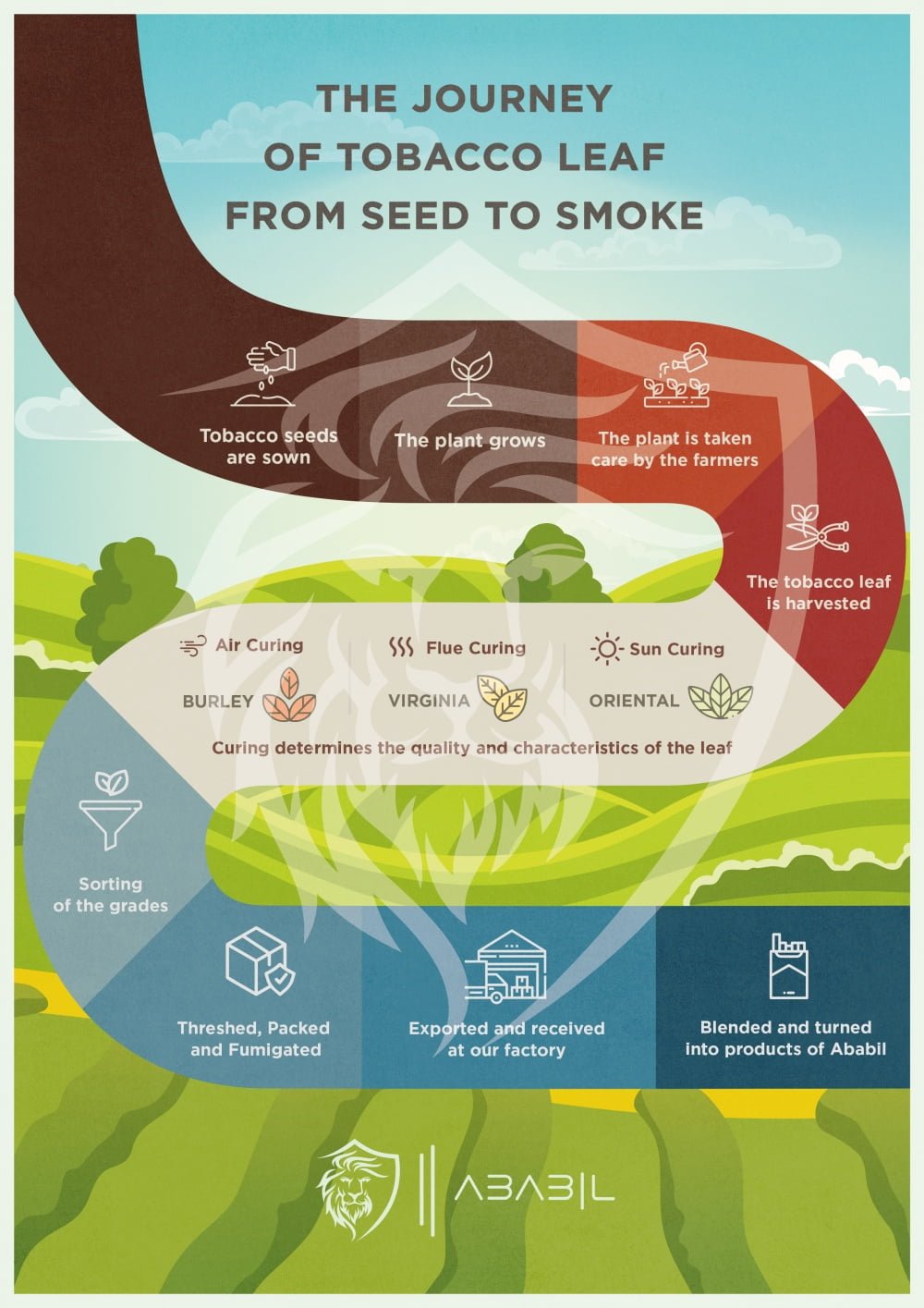
Tobacco leaves are the primary component of cigarettes, cigars, and other tobacco products. The leaves are harvested from the tobacco plant, which is a member of the nightshade family. They are typically large, broad, and have a distinct texture and aroma that is instantly recognizable. The color of tobacco leaves can vary from light green to deep brown depending on the stage of the plant’s growth and the curing process used. The leaves are carefully harvested and cured to achieve the desired color and flavor profile. The curing process can take several weeks and involves a combination of drying, fermenting, and aging. Tobacco leaves contain various chemical compounds such as nicotine, which is responsible for the addictive properties of tobacco products. Other compounds include tar, carbon monoxide, and various carcinogens, which can be harmful to human health.
Despite the health risks associated with tobacco products, the distinct flavor and aroma of tobacco leaves are highly prized by many smokers and tobacco enthusiasts. Different varieties of tobacco leaves have distinct flavors and aromas, ranging from mild and sweet to robust and earthy. These flavors and aromas are often sought after by cigar and cigarette makers, who carefully blend different varieties of tobacco to create unique and complex flavor profiles. In summary, tobacco leaves are the foundation of the tobacco industry, providing the distinctive flavor and aroma that smokers and tobacco enthusiasts crave. While they contain harmful compounds, the careful harvesting and curing process used to prepare them allows for a wide range of flavor and aroma profiles to be created.
Tobacco Component
Tobacco is the main component of our products. The three tobacco types are Virginia, burley and oriental. Tobacco leaves are long, elliptical green leaves. They are varied in size, with the largest leaves, which occur at the base of the plant, growing to around 60 centimeters in length. Tobacco leaves have short hairs which excrete a yellow substance which contains nicotine. The plant itself is an annual herb that bears five-petaled, trumpet-shaped flowers. Fresh-cut Tobacco leaves have a grassy scent. The leaves have a sharp, spicy taste that is tingly, like horseradish and pepper.
The three tobacco types are Virginia, burley and oriental. These tobaccos are grown in different countries like Argentina, Brazil, United States, Malawi, Zimbabwe, South Africa, India, China, Indonesia, Bangladesh, Thailand, Bulgaria, Turkey, UAE, Ethiopia, Serbia, Zambia, Greece, Macedonia,
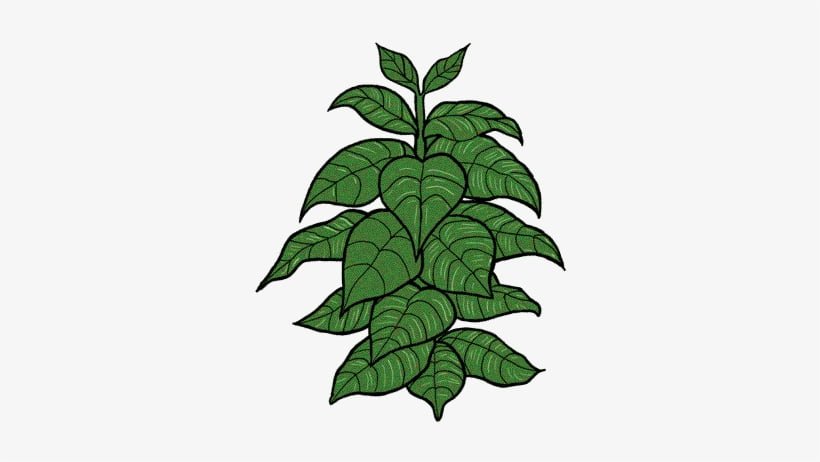

Virginia
A type of tobacco that is cured with artificial heat, after which it ranges from light yellow to dark orange in color and possesses a sweet aroma. It is known for its bright, light-colored leaves that are high in sugar content and low in nicotine.
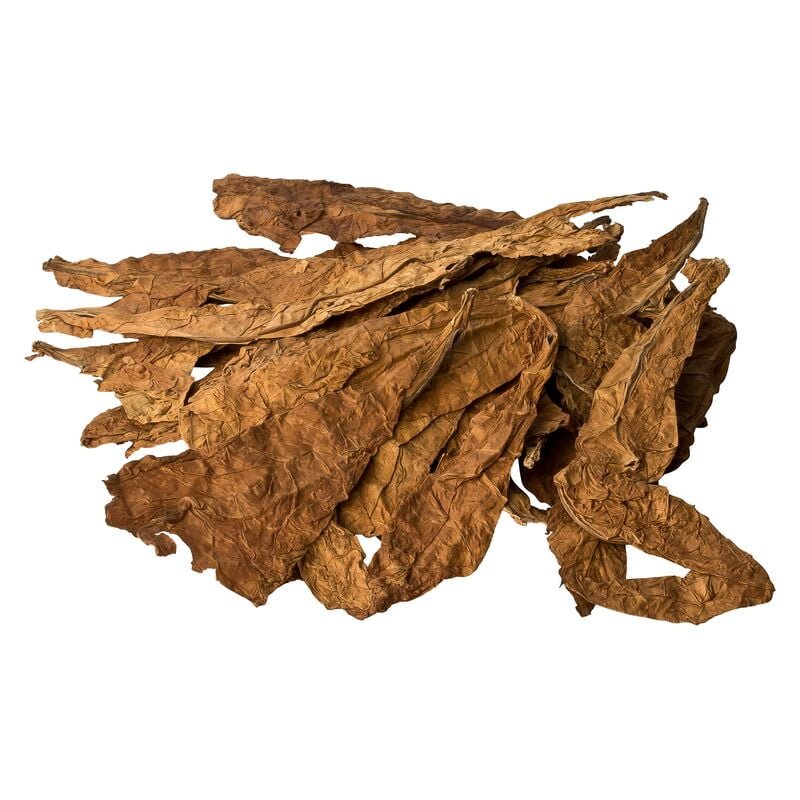
Burley
It is known for its large, thick leaves that are cured by air, fire, or a combination of the two. Burley tobacco is high in nicotine content and has a milder flavor than other types of tobacco. It is commonly used in the production of cigarettes, pipe tobacco.
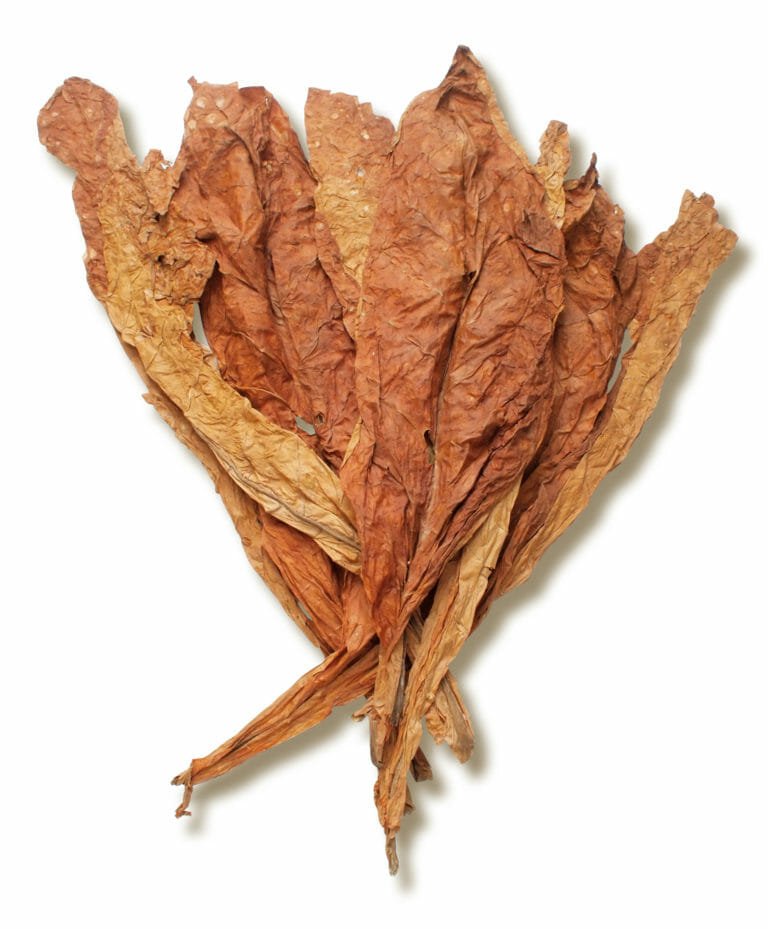
Oriental
Oriental tobacco, also known as Turkish tobacco, is a type of tobacco that is grown primarily in Turkey, Greece, Bulgaria Lebanon, It is known for its small, thin leaves that are highly aromatic and flavorful. Oriental tobacco is low in sugar and high in nicotine.
CURING OF TOBACCO
Curing is a critical process in the production of tobacco, as it not only affects the taste and aroma of the final product but also determines its quality and durability. Proper curing methods help to reduce the risk of mold, fungus, and other diseases that can damage the tobacco leaves and ruin the batch. In addition, curing allows the leaves to develop their unique flavor profile and aroma, which can vary depending on factors such as the climate, soil, and curing method used.
The curing process can take several weeks or even months, depending on the method used and the desired outcome. During this time, the tobacco leaves are carefully monitored to ensure that they are drying at a steady rate and that the humidity and temperature levels are within the desired range. Some curing methods require the use of specialized equipment, such as fans and heaters, to regulate the environment and achieve the desired results.
While each curing method has its unique advantages and disadvantages, the choice of method often depends on the type of tobacco being produced and the preferences of the manufacturer. Regardless of the method used, proper curing techniques are essential for producing high-quality tobacco that meets the needs of consumers around the world. Tobacco can be cured through several methods as below.
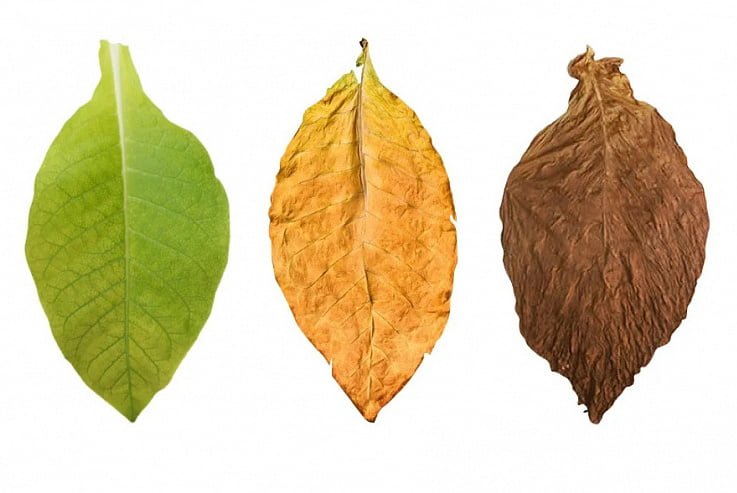
Flue Cured Virginia
Flue-cured Virginia tobacco, also known as bright leaf tobacco, is a type of tobacco that is cured using a specialized flue-curing process. It is primarily grown in regions with warm and sunny climates.
The flue-curing process involves hanging the freshly harvested tobacco leaves in large curing barns where they are subjected to a controlled heat source that gradually raises the temperature to about 150-170°F (65-75°C). This causes the tobacco to release moisture and develop its distinctive yellow to orange color and sweet, mellow flavor.
Flue-cured Virginia tobacco is commonly used in the production of cigarettes, as well as pipe tobacco blends and chewing tobacco. It is prized for its bright, sweet flavor and mild smoke. Due to its high sugar content, it can also be used to add sweetness to tobacco blends.
AIR-CURED TOBACCO
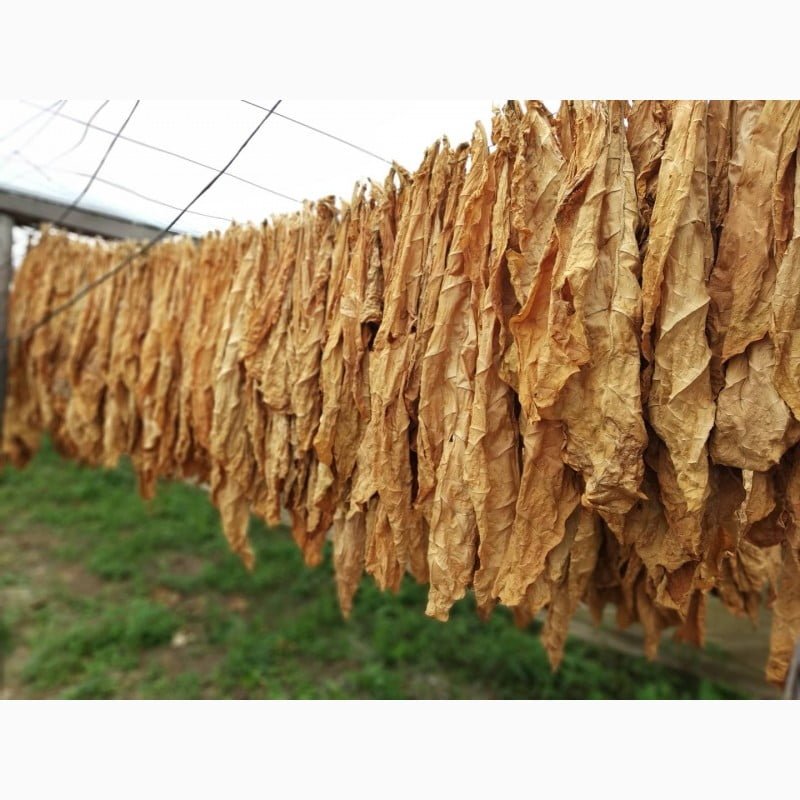
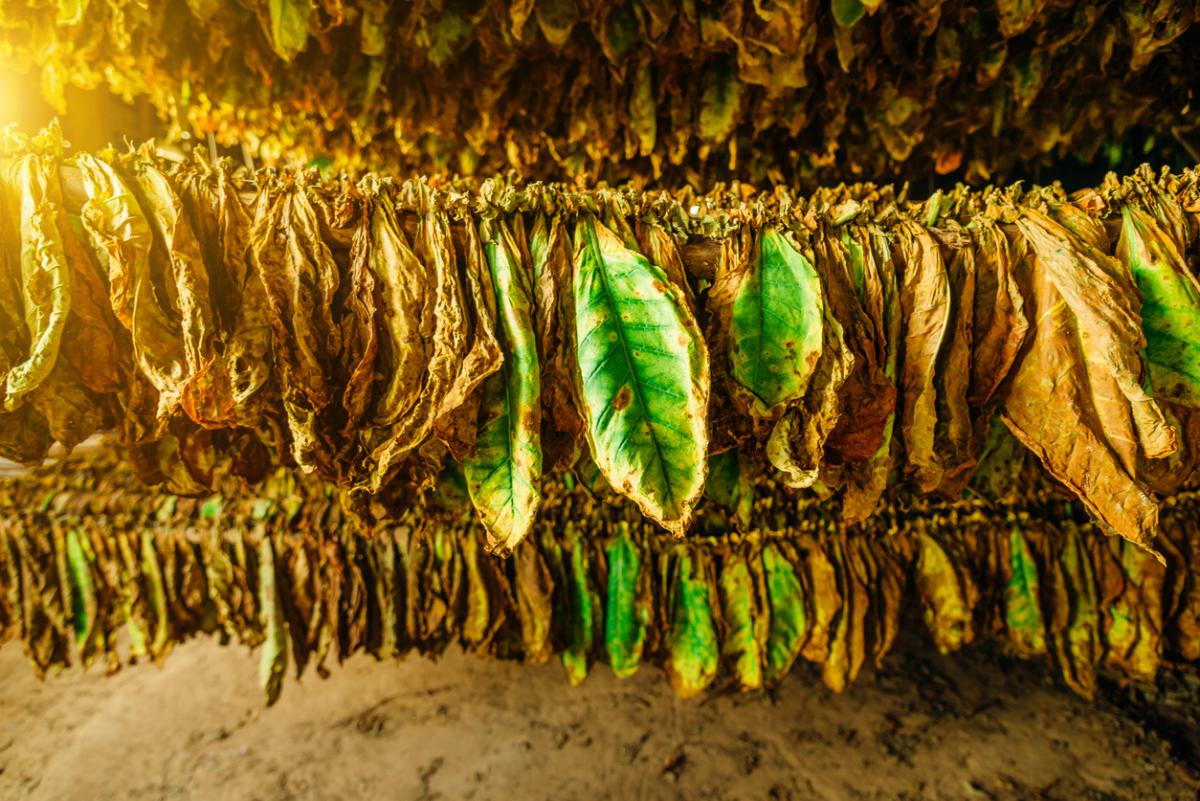
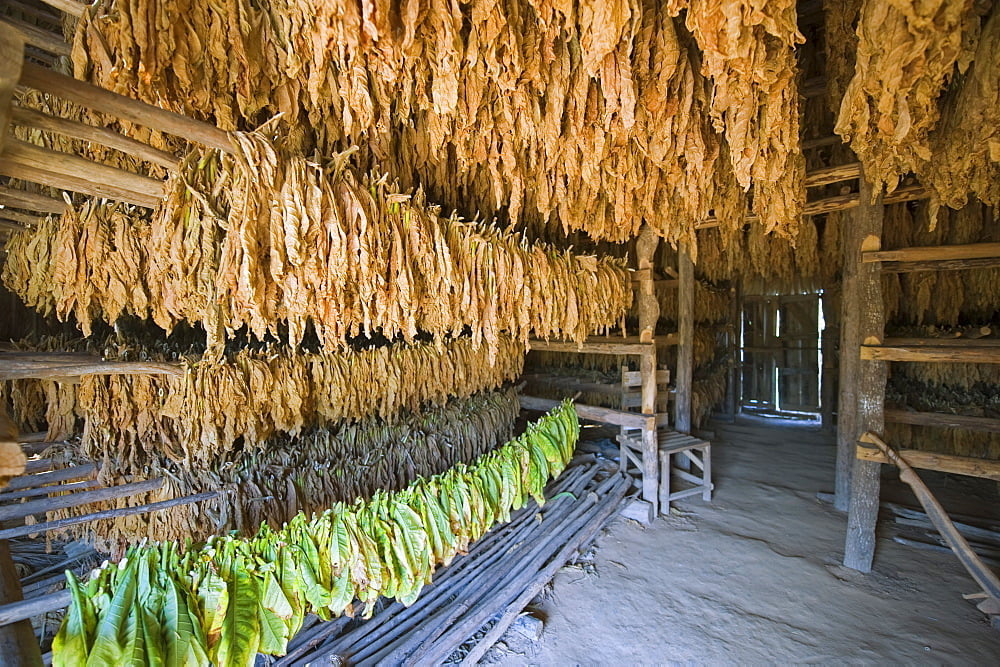
Air-cured tobacco is hung in well-ventilated barns and allowed to dry over a period of four to eight weeks. Air-cured tobacco is low in sugar, which gives the tobacco smoke a light, mild flavor, and high in nicotine. Cigar and burley tobaccos are ‘dark’ air-cured. Air-cured tobacco is a type of tobacco that is dried and cured naturally without the use of heat or fire. It is primarily grown in regions with warm and dry climates.
The process of air-curing tobacco begins by harvesting the tobacco leaves and hanging them in large, well-ventilated barns. The leaves are allowed to dry slowly for several weeks, during which time they undergo a natural fermentation process. This process is key to developing the tobacco’s unique flavor and aroma.
Air-cured tobacco has a milder flavor than other types of tobacco, such as fire-cured or sun-cured tobacco. It is often used as a base for pipe tobacco blends and is commonly found in cigarettes, cigars, and chewing tobacco. Because air-cured tobacco is dried naturally, it contains fewer carcinogens than tobacco that has been cured using fire or heat.
SUN-CURED TOBACCO
Sun-cured tobacco dries uncovered in the sun. This method is used in Turkey, Greece, and other Mediterranean countries to produce oriental tobacco. Sun-cured tobacco is low in sugar and nicotine and is used in cigarettes. Some tobaccos go through a second stage of curing, known as fermenting or sweating. Cavendish undergoes fermentation pressed in a casing solution containing sugar and/or flavoring.
The process of sun-curing tobacco involves harvesting the tobacco leaves and laying them out in the sun to dry. The leaves are carefully arranged on large drying racks, where they are exposed to direct sunlight for several days. This process causes the leaves to gradually dry out and develop their distinctive yellow to dark brown color and rich, full-bodied flavor.
Sun-cured tobacco is commonly used in the production of cigar wrappers, as well as some pipe tobacco blends and chewing tobacco. It has a strong, complex flavor with hints of sweetness and spice. Due to its robust flavor, it is often used to add depth and complexity to tobacco blends.
Sun-cured tobacco contains higher levels of nicotine and other harmful chemicals than air-cured tobacco. It is important for individuals to be aware of the risks associated with tobacco use and to make informed decisions about their own health.
DARK AIR CURED
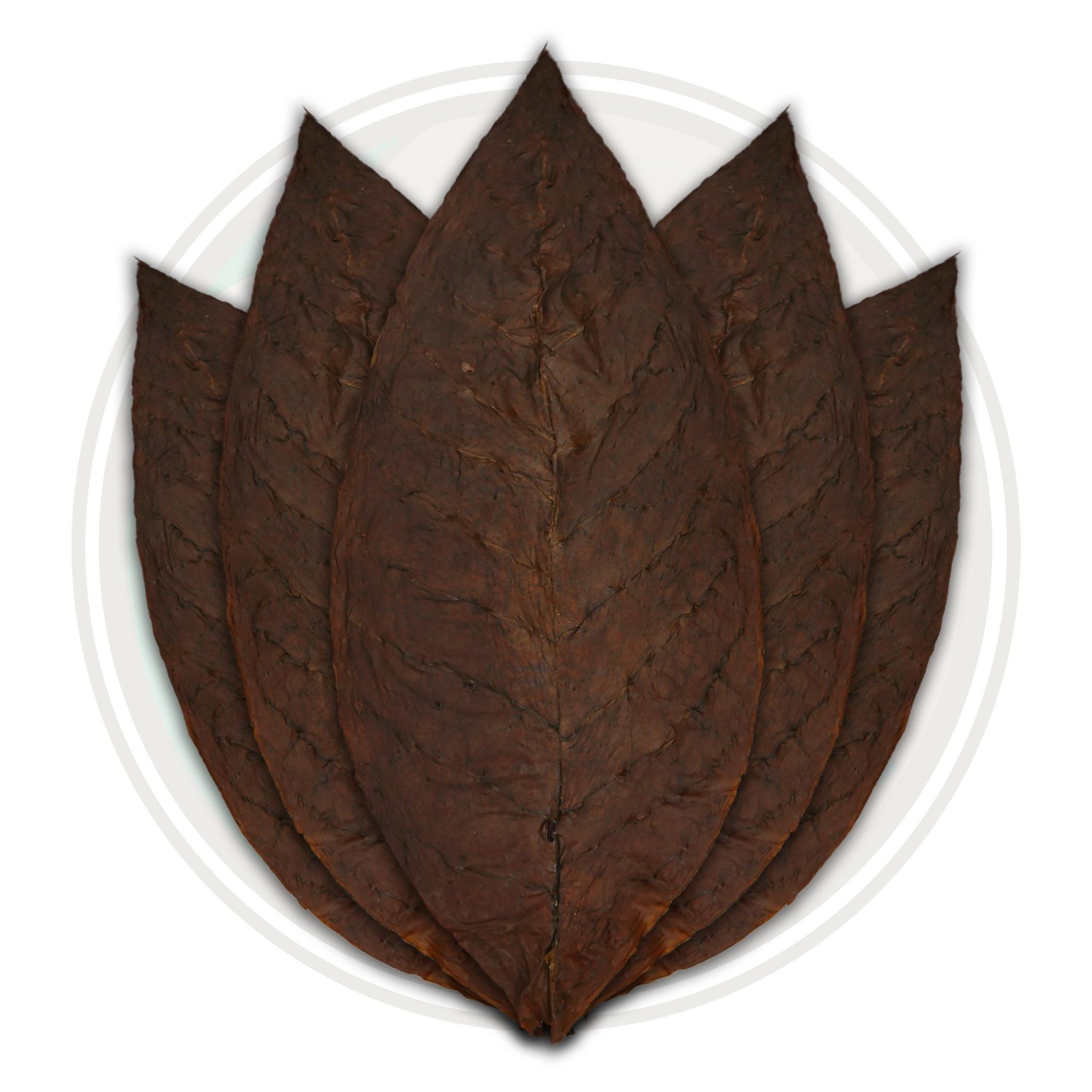
Dark Air Cured A type of tobacco that is distinguished from other types primarily by the fermentation process it undergoes. It is the fermentation that gives dark air-cured tobacco its medium- to dark-brown color and distinct aroma. Dark air-cured tobacco is used in cigars, dark cigarettes, pipe mixtures, and chewing tobaccos. Light air-cured tobacco, in contrast, is not fermented at all.
Dark Air-Cured tobacco is a type of tobacco that is dried and cured using a combination of natural air drying and a controlled heating process. It is primarily grown in regions with warm and humid climates.
The process of dark air-curing tobacco involves harvesting the tobacco leaves and hanging them in a curing barn where they are exposed to natural air currents. The leaves are then carefully heated to further dry and ferment them, which causes them to develop a dark brown or black color and a rich, full-bodied flavor.
Dark air-cured tobacco is commonly used in the production of cigar wrappers, pipe tobacco blends, and snuff. It has a bold, earthy flavor with hints of spice and sweetness. Due to its robust flavor, it is often used to add depth and complexity to tobacco blends.
FIRE-CURED TOBACCO
Fire-cured tobacco is hung in large barns where fires of hardwoods are kept on continuous or intermittent low smolder, and takes between three days and ten weeks, depending on the process and the tobacco. Fire curing produces a tobacco low in sugar and high in nicotine. Pipe tobacco, chewing tobacco, and snuff are fire-cured. Fire-cured tobacco is a type of tobacco that is cured using smoke and heat. It is primarily grown in regions with a cool and damp climate.
The process of fire-curing tobacco involves hanging the freshly harvested tobacco leaves in special curing barns where they are exposed to smoldering wood fires. The smoke from the fires dries and infuses the tobacco leaves with a unique smoky flavor and aroma. The process can take several weeks and requires careful monitoring to ensure that the tobacco does not overheat or become too dry.
Fire-cured tobacco is commonly used in the production of pipe tobacco, chewing tobacco, and snuff. It has a strong, distinct flavor that is often described as earthy, woody, or spicy. Because fire-cured tobacco is cured using smoke, it contains higher levels of carcinogens and other harmful chemicals than air-cured or sun-cured tobacco.
FERMENTATION
Fermentation of tobacco is a crucial step in the curing process that helps to develop the flavor, aroma, and texture of tobacco leaves. It involves controlled microbial activity that converts complex carbohydrates and other compounds in the tobacco leaves into simpler, more desirable molecules.The fermentation process begins after the tobacco leaves have been harvested and cured by air, sun, or flue-curing methods. The cured leaves are then packed tightly into large stacks or bales, often with moistened layers of cloth or paper between them. These stacks are then placed in a warm, humid environment, such as a curing barn, to promote fermentation.During the fermentation process, the tobacco leaves undergo a series of chemical changes. The temperature and moisture levels are carefully controlled to encourage the growth of beneficial microorganisms that break down complex sugars and starches into simpler sugars and other molecules. This process can take anywhere from several weeks to several months, depending on the desired flavor and texture.
As the tobacco undergoes fermentation, it develops its characteristic flavor and aroma. The end result is a tobacco leaf that is smoother, more flavorful, and more aromatic than uncured tobacco. Fermentation also helps to reduce the harshness and bitterness of the tobacco, making it more enjoyable to smoke or use in other tobacco products.While fermentation is an important step in the tobacco curing process, it is important to note that tobacco products still contain nicotine and other harmful chemicals that can be addictive and harmful to health. It is important for individuals to be aware of the risks associated with tobacco use and to make informed decisions about their own health.
GRADING
Grading of tobacco is the process of sorting and categorizing tobacco leaves based on their quality, size, color, and texture. The grading process is an important step in the production of high-quality tobacco products, as it helps to ensure that only the best leaves are used.Tobacco leaves are graded based on a combination of factors, including their size, texture, and color. Leaves with fewer veins, uniform texture, and consistent color are considered to be of higher quality than leaves with more veins, uneven texture, and inconsistent color. The grading process may also take into account the specific characteristics of the tobacco variety being used.
Once tobacco leaves have been graded, they are often sold to manufacturers or processors who will use them to create different tobacco products, such as cigarettes, cigars, pipe tobacco, or chewing tobacco. The specific grade of tobacco used will depend on the type of product being produced and the desired characteristics of the final product.Overall, the grading of tobacco is an important process that helps to ensure the quality and consistency of tobacco products. It allows manufacturers to select only the best leaves for their products, which helps to create a more enjoyable smoking or tobacco-chewing experience for the consumer.

FUMIGATION
Fumigation of tobacco is a process used to treat tobacco leaves or other tobacco products to control pests and insects that may infest the tobacco. Fumigation is a common practice in the tobacco industry to ensure that only high-quality tobacco is used in the production of tobacco products.Tobacco is susceptible to infestation by various pests and insects, including beetles, moths, and mites. Infestation can lead to a decline in the quality of the tobacco and can also affect the taste and aroma of the final tobacco products. To prevent infestation, tobacco is often fumigated with a variety of chemicals, including phosphine, methyl bromide, and sulfuryl fluoride.
Fumigation of tobacco involves enclosing the tobacco in a sealed space and introducing the fumigant gas or vapor into the space. The tobacco is then left in the enclosed space for a specific period of time to allow the fumigant to penetrate all surfaces and kill any pests or insects present. Once the fumigation process is complete, the tobacco is ventilated to remove any remaining fumigant gas or vapor.It is important to note that fumigation of tobacco can have negative effects on the environment and human health if not done properly. Fumigants are highly toxic and can be hazardous to people and animals if they are not handled and applied according to strict safety protocols. It is important for those involved in the fumigation of tobacco to follow proper safety procedures and to comply with all regulations and guidelines governing the use of fumigants.
BLENDING
Blending of tobaccos is the process of combining different types of tobacco leaves to create a final product with specific flavor, aroma, and smoking characteristics. Tobacco blending is a crucial step in the production of tobacco products, as it can significantly impact the taste and quality of the final product. There are various factors that can influence the blending of tobaccos, including the origin of the tobacco leaves, the curing process used, the type of tobacco plant, and the desired flavor and aroma of the final product. Blending can be done using different tobacco varieties, including flue-cured, air-cured, sun-cured, and fire-cured tobacco.
The blending process involves selecting and combining different tobacco leaves based on their taste, aroma, texture, and strength. The leaves may be shredded or cut to a specific size and then mixed together to create a consistent blend. The blending process may also involve the addition of other flavorings or ingredients, such as sugars, spices, or fruit extracts, to enhance the flavor and aroma of the final product. The specific blending process used may vary depending on the type of tobacco product being produced. For example, cigarettes, cigars, and pipe tobacco may each require a different blend of tobaccos to achieve the desired taste and smoking characteristics.
Overall, blending of tobaccos is a complex process that requires careful consideration of various factors to create a high-quality final product. The skill and expertise of the blender play a critical role in achieving a well-balanced blend that meets the expectations of the consumers.
Cigarette manufacturing
Cigarette manufacturing is a complex process that involves various stages, from the processing and blending of tobacco leaves to the packaging and distribution of the final product. Here is a brief overview of the different stages involved in cigarette manufacturing:
Tobacco processing: The tobacco leaves are sorted, graded, and processed to remove stems, veins, and other impurities. The leaves are then cut into small pieces and blended together to create a consistent flavor and aroma.
Forming the tobacco rod: The processed tobacco is then formed into a long, thin rod, which will serve as the tobacco filling for the cigarette.
Making the paper wrapper: The paper wrapper for the cigarette is made separately from the tobacco rod. The paper is treated with chemicals to control the rate of burning and ensure a consistent burn.
Combining the tobacco rod and paper wrapper: The tobacco rod is wrapped in the paper wrapper, and a filter is added to one end of the cigarette.
Packaging: The finished cigarettes are packed into cartons or boxes, which are then shipped to distributors and retailers.
Throughout the cigarette manufacturing process, quality control measures are in place to ensure that the cigarettes meet specific standards for taste, aroma, and burning characteristics. Regulations also dictate the use of specific additives, such as flavorings, and limit the amount of tar, nicotine, and other harmful substances in the finished product.
